
.png)
.png)
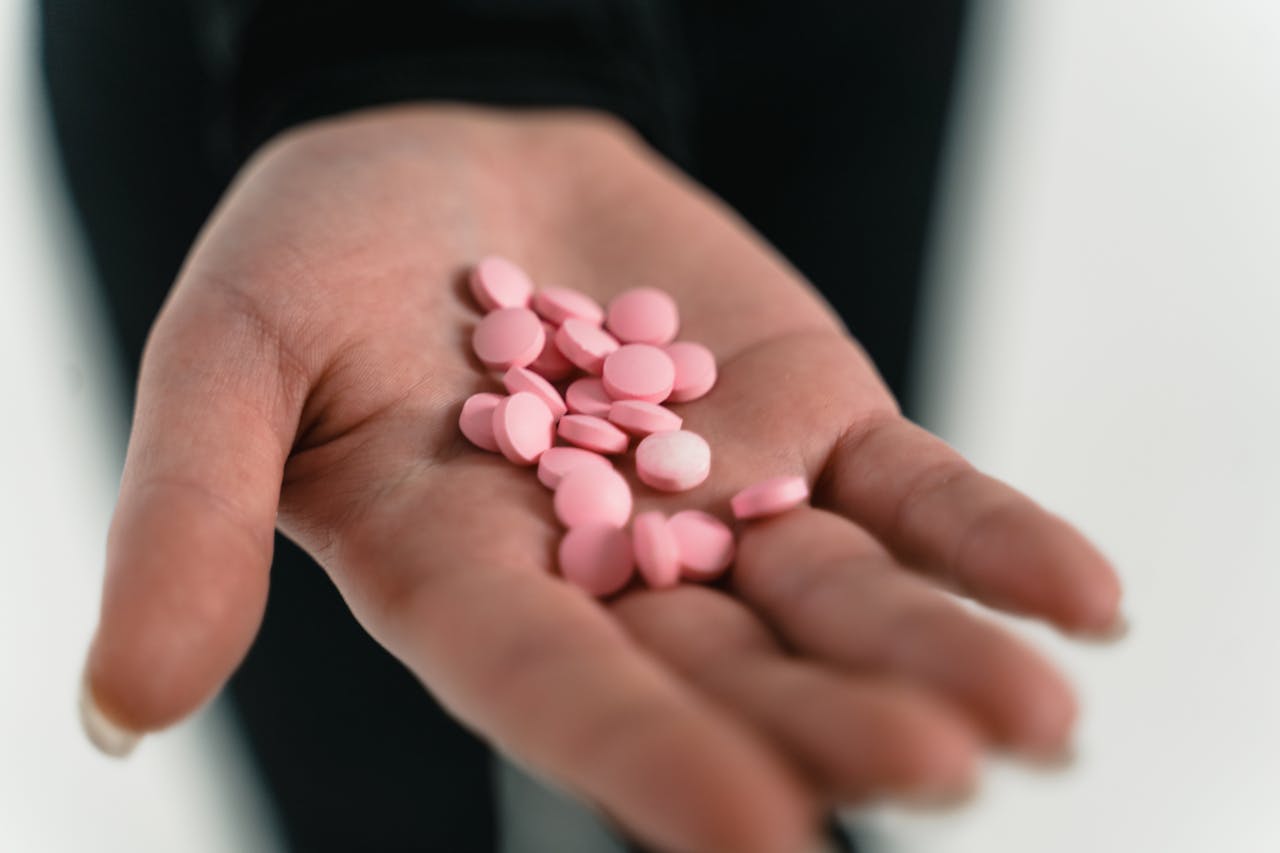
Antipsychotic medications play a vital role in managing severe mental health conditions like schizophrenia and bipolar disorder. These drugs primarily target brain chemicals such as dopamine and serotonin to reduce symptoms like hallucinations and delusions.
This in-depth guide explores antipsychotic medications—what they are, their key uses, potential side effects, and why platforms like Rocket Health offer a reliable option for online psychiatry consultations with certified psychiatrists.
What Are Antipsychotic Medications
Antipsychotic medications are a class of psychiatric drugs designed to manage psychosis, a symptom cluster involving loss of contact with reality. They work by modulating neurotransmitters, primarily blocking dopamine D2 receptors to alleviate hallucinations, delusions, and disorganized thinking. First-generation (typical) antipsychotics, like haloperidol, focus heavily on dopamine pathways, while second-generation (atypical) ones, such as risperidone and quetiapine, also affect serotonin receptors for broader efficacy with fewer motor side effects.
Introduced in the mid-20th century, antipsychotic medications revolutionized treatment for schizophrenia and related disorders, shifting care from asylums to community settings. Available in oral tablets, liquids, rapidly dissolving forms, and long-acting injectables, they come in over 20 FDA-approved varieties tailored to specific needs. Typical examples include chlorpromazine and fluphenazine; atypicals feature olanzapine, aripiprazole, and clozapine for treatment-resistant cases.
Key characteristics:
- Mechanism: Dopamine antagonism (typical) vs. serotonin-dopamine balance (atypical).
- Onset: Effects on positive symptoms within days; negative symptoms may take weeks.
- Duration: Short-acting for acute use; depot injections last 2-4 weeks for adherence
History of Antipsychotic Medications
Antipsychotic medications trace back to the 1950s with the discovery of chlorpromazine, the first typical antipsychotic. This breakthrough shifted treatment from institutionalization to outpatient care, revolutionizing psychiatry. Early drugs focused on blocking dopamine receptors but often caused movement disorders.
Second-generation antipsychotic medications, or atypicals, emerged in the 1990s. Risperidone and olanzapine improved efficacy against negative symptoms like apathy while reducing extrapyramidal side effects. Today, over 20 FDA-approved options exist, with long-acting injectables enhancing adherence.
- Chlorpromazine (1950s): Pioneered dopamine blockade.
- Clozapine (1989): Gold standard for treatment-resistant cases despite blood monitoring needs.
- Aripiprazole (2002): Partial agonist, balancing dopamine activity.
Types of Antipsychotic Medications
Antipsychotic medications are divided into typical (first-generation) and atypical (second-generation). Typical ones like haloperidol excel at positive symptoms but risk tardive dyskinesia. Atypicals, such as quetiapine, offer broader symptom relief with metabolic trade-offs.
Delivery forms vary: oral tablets, liquids, or injectables. Long-acting versions like paliperidone monthly shots suit non-compliant patients. Selection depends on diagnosis, side effect profile, and patient lifestyle.
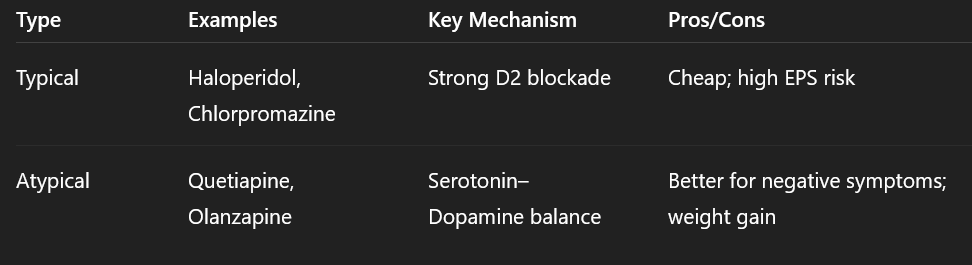
Rocket Health's certified psychiatrists assess these types via teleconsults, prescribing the right antipsychotic medications tailored to individual needs.
Primary Uses of Antipsychotic Medications
Antipsychotic medications treat schizophrenia's positive (hallucinations) and negative (withdrawal) symptoms effectively. Acute episodes respond quickly, often within days, stabilizing patients for therapy.
In bipolar disorder, antipsychotic medications manage mania alongside mood stabilizers. Olanzapine-fluoxetine combos address depressive phases. Off-label uses include agitation in dementia or autism-related aggression.
- Schizophrenia: Reduces delusions; atypicals help social functioning.
- Bipolar mania: Rapid calming; quetiapine for maintenance.
- Delirium: Low-dose haloperidol in ICU settings.
For treatment-resistant cases, clozapine remains unmatched, cutting suicide risk by 80%.
Top Prescribed Antipsychotic Medications
Prescription data highlights quetiapine and aripiprazole as U.S. leaders, with millions of scripts annually. In India, brands like Q-Tacle (quetiapine) and Olenzy (olanzapine) dominate for affordability.
Antipsychotic medications like risperidone treat aggression in various disorders. Clozapine requires weekly blood tests but excels where others fail. Here's a rundown of the top ones:
- Quetiapine (Seroquel): Versatile for mood and psychosis; sedating, low movement issues.
- Aripiprazole (Abilify): Activates underactive dopamine; weight-neutral option.
- Olanzapine (Zyprexa): Potent for mania; monitor for diabetes risk.
- Risperidone (Risperdal): Injectable form boosts compliance.
- Clozapine (Clozaril): For resistant schizophrenia; life-saving potential.
Rocket Health sources these antipsychotic medications through verified pharmacies, with certified psychiatrists ensuring proper dosing post-consult.
Side Effects of Antipsychotic Medications
All antipsychotic medications carry risks that demand vigilant monitoring by healthcare professionals. Typical (first-generation) drugs often cause extrapyramidal symptoms (EPS) like tremors and rigidity, while atypicals (second-generation) trigger metabolic changes such as weight gain.
Everyday Side Effects
These common issues appear early and impact daily life but are often manageable.
- Sedation/drowsiness: Feels like heavy fatigue, worse at start or dose hikes; avoid driving.
- Dry mouth/constipation: From anticholinergic effects; boost water and fiber intake.
- Dizziness/blurred vision: Orthostatic hypotension risks falls; rise slowly.
- Increased appetite: Leads to quick weight gain; track diet closely.
Discuss these with your psychiatrist—many fade over time or improve with adjustments.
Movement-Related (EPS) Symptoms
Dopamine blockade in typical antipsychotics sparks these motor issues.
- Acute dystonia: Painful spasms (neck, eyes); treat promptly.
- Parkinsonism: Stiffness, shuffling gait, tremors.
- Akathisia: Restless urge to move, feels like anxiety.
- Tardive dyskinesia (TD): Long-term involuntary movements (lips, tongue); 20-30% risk with typicals, potentially irreversible.
Screen regularly; switch meds if TD emerges.
Hormonal and Metabolic Changes
Atypicals excel here but raise other concerns.
- Prolactin elevation: Menstrual issues, low libido, and fertility impacts.
- Weight gain: Appetite surges; monitor BMI monthly.
- Metabolic syndrome: High blood sugar, lipids, diabetes risk—needs quarterly labs.
Lifestyle fixes like exercise help; consider weight-neutral options like aripiprazole.
Serious Risks
Rare but critical—seek emergency care.
- Neuroleptic malignant syndrome (NMS): Fever, rigidity, confusion; fatal if untreated.
- QT prolongation: Heart rhythm issues; avoid in cardiac patients, get EKGs.
- Agranulocytosis (clozapine): Low white cells; weekly blood checks required.
Management Strategies
Minimize harm through proactive steps.
- Start low, titrate slowly.
- Regular check-ups: Labs, vitals, movement exams.
- Add-ons: Meds for EPS (e.g., benztropine).
- Lifestyle: Diet and workouts counter metabolic effects.
Monitoring and Safety with Antipsychotic Medications
Effective use of antipsychotic medications requires baseline EKGs, bloodwork, and weight checks. Titrate slowly to minimize EPS; switch if intolerable.
Interprofessional teams—psychiatrists, nurses, therapists—optimize outcomes. Patient education on adherence prevents relapse. Pregnancy demands caution; many cross the placenta.
Why Rocket Health for Antipsychotic Medications
Rocket Health transforms access to antipsychotic medications through licensed Indian psychiatrists. Consults start at affordable rates, with 24-48 hour follow-ups.
Benefits include:
- Privacy-focused telepsychiatry.
- E-prescriptions filled by certified pharmacies.
- Holistic care: Meds plus counseling for conditions like schizophrenia.
Rocket Health ensures discreet, reliable support. No waiting rooms; just expert guidance on antipsychotic medication use and side effects.
In conclusion, antipsychotic medications offer hope for severe psychiatric issues when used judiciously. Prioritize professional oversight to balance benefits against risks. Explore Rocket Health today for seamless online psychiatry—empowering informed mental health journeys.

.jpg)
.jpg)
.jpg)