
.png)
.png)

Anxiety affects millions of people worldwide, often showing up in ways that extend far beyond racing thoughts and restless nights. Among the most alarming symptoms it can trigger is chest pain — a sensation that, for many, immediately sparks fear of a heart problem.
But here’s the reassuring truth: chest pain caused by anxiety is common, and while it should always be taken seriously, it’s not always a sign of something life-threatening.
In this article, we’ll unpack whether can anxiety cause chest pain, explore the science behind the symptoms, explain how to tell the difference between anxiety-related discomfort and other medical causes, and share practical strategies for relief.
Can Anxiety Cause Chest Pain? The Short Answer
Yes — anxiety can indeed cause chest pain.
When your body enters a state of heightened stress, the “fight or flight” response releases adrenaline and cortisol. It causes your heart rate to spike, muscles to tense, and breathing patterns to change. The chest muscles and rib cage can tighten, making you feel pressure or pain. Combined with shallow breathing, this can create a sensation that feels similar to heart-related pain, which often sends people into panic mode.
Why Anxiety Can Trigger Physical Pain
Anxiety isn’t just a mental or emotional experience—it’s a full-body reaction. When we think of anxiety, we often picture racing thoughts or worry, but the physiological impact can be just as intense. The body doesn’t distinguish between a real physical threat and a perceived one that exists only in the mind.
As a result, the nervous system reacts in the same way it would if you were truly in danger, creating very real physical sensations of pain and discomfort.
The Mind-Body Connection
Your brain and body are constantly in conversation through a network of nerves, hormones, and chemical messengers. When anxiety begins in the mind—perhaps from overthinking, fear, or anticipation—those signals are transmitted throughout the body. The brain’s alarm centre, the amygdala, activates your “fight or flight” response, alerting the rest of your body that something is wrong.
In that moment, several physical systems go into high gear:
- Muscles tense up: This prepares you to fight or flee, but chronic anxiety keeps them tense for too long, leading to muscle pain, tightness, and even headaches.
- Heartbeat accelerates: Your heart pumps faster to deliver blood to muscles, but over time, this can cause palpitations and chest discomfort.
- Breathing quickens: Rapid, shallow breaths reduce oxygen exchange, making you lightheaded and contributing to chest tightness.
- Tingling or numbness occurs: As blood flow changes, you might feel pins and needles in your hands or lips.
- Chest feels heavy or constricted: Tight chest muscles, along with faster heartbeats and altered breathing, culminate in sensations that mimic cardiac pain.
These reactions are meant to protect you temporarily. The problem arises when anxiety becomes chronic, keeping your body locked in a stress-ready state without release.
The Stress Response Cycle
When anxiety triggers a stress response, your brain signals the adrenal glands to release adrenaline and cortisol—the main stress hormones. This cascade of chemicals sets off a powerful, coordinated bodily reaction:
- Adrenaline floods the bloodstream: This increases your heart rate and elevates blood pressure. More oxygen is circulated to large muscles, priming your body for action. You might feel a pounding chest or skipped heartbeats—not because something’s wrong with your heart, but because it’s overworking in response to stress hormones.
- Muscles tighten across the body: Particularly, the chest wall, shoulders, and neck become tense. This muscle tension can restrict movement and amplify sensations of pain or pressure. Over time, this tightness can persist even after the stressor passes, leading to chronic physical discomfort.
- Breathing becomes shallow and rapid: Many people begin to breathe from their upper chest instead of their diaphragm. This habit reduces the amount of oxygen entering the lungs and increases carbon dioxide loss. The imbalance can lead to dizziness, tingling, and exacerbated chest sensations that feel frightening.
- Oxygen and energy shift: As your body prioritises survival, more energy is directed toward major muscle groups, while digestion and other functions slow down. This redistribution contributes to stomach discomfort or nausea, which can accompany chest pain.
All these reactions together create what’s often known as the mind-body feedback loop. You feel anxious, which causes a rush of physical symptoms—those symptoms make you more anxious, and the cycle intensifies.

When Pain Isn’t Just in Your Head
It’s important to emphasise that anxiety-induced pain is not imagined. The physical sensations are biologically real, caused by measurable physiological changes. Chronic stress can even alter the way your nervous system processes pain, making you more sensitive over time. For instance, people with long-term anxiety disorders often report joint, back, or chest pain that persists even during calm periods.
The takeaway? Your emotional well-being deeply influences how your body feels. When anxiety spikes, your body behaves as if it’s under physical threat—tightening muscles, quickening breath, and triggering real pain signals. Understanding this connection is the first step to interrupting the cycle and regaining control of both mind and body.
Recognising Anxiety-Related Chest Pain
Physical Characteristics
Chest pain from anxiety may feel:
- Sharp or stabbing
- Mild and achy
- A sensation of tightness or pressure
- Temporary and variable depending on emotional state
Emotional Triggers
It often appears:
- During a panic attack
- Right after receiving distressing news
- Before a major presentation or social event
- In situations of prolonged uncertainty or fear
How Panic Attacks Cause Chest Pain
A panic attack is the most acute anxiety episode, with symptoms peaking within 10 minutes. During a panic attack:
- Rapid heartbeat & shallow breathing: Stress hormones like adrenaline surge, speeding up your heart and quickening your breath. This leads to chest muscle strain as your body uses chest muscles more heavily to breathe, and over time, this strain can feel like tightness or pain in the chest.
- Blood vessel constriction: During a panic attack, blood vessels may constrict, temporarily reducing blood flow and adding to the sensation of tightness or pressure in the chest. This microvascular vasoconstriction has been documented as part of panic disorder’s impact on cardiac function.
- Hyper-awareness amplifies pain perception: People having a panic attack often become hyper-aware of their bodily sensations. Normal aches or twinges might feel magnified, and worrying about these feelings can make the pain seem even more intense.
Other Contributing Factors
- Musculoskeletal tension: Muscles around the chest wall may spasm or stay contracted, directly causing pain.
- Oesophageal spasm: Anxiety can alter oesophageal motility, further adding to chest discomfort.
- Digestive changes: The fight-or-flight response affects stomach and gut function, which may sometimes be perceived as tightness or pain in the chest area.
Often, multiple of these mechanisms occur at once, explaining why panic attack chest pain can be so variable and distressing.
Breaking the Cycle: Anxiety and Chest Pain
Managing anxiety-related chest pain starts with a clear process:
Step 1: Rule Out Medical Causes
It is crucial to confirm that the pain isn't due to an underlying heart or lung issue. This protects your health and creates reassurance for managing anxiety. Health professionals may recommend tests such as:
- ECG (Electrocardiogram): Assesses the electrical activity of your heart and can quickly rule out a heart attack or arrhythmia.
- Blood work: Detects markers of heart damage and other key indicators.
- Chest X-ray or echocardiogram: Checks the lungs, heart size, and structure for abnormalities.
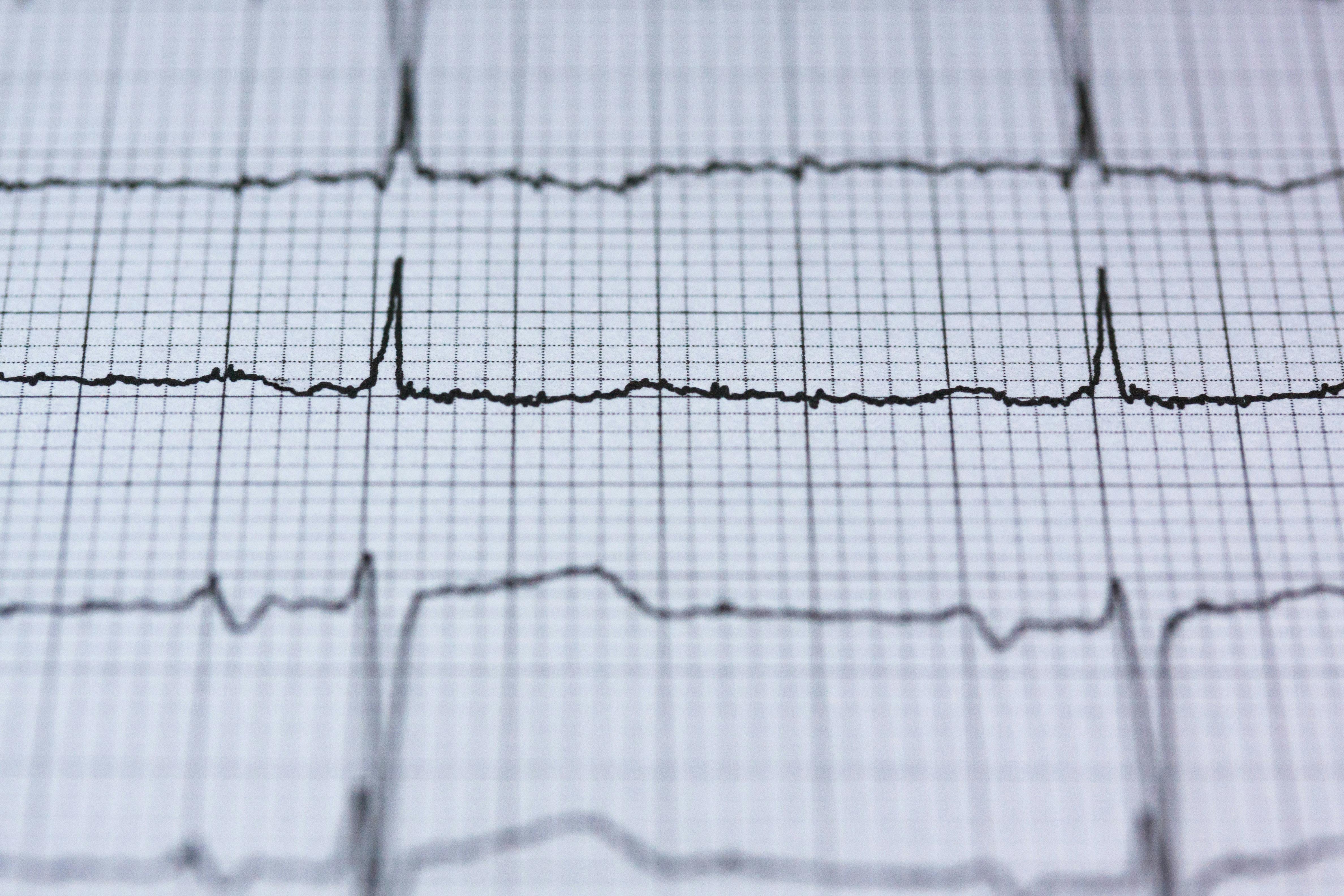
If these tests are clear and chest pain persists, anxiety is a likely factor.
Step 2: Address Anxiety Triggers
Start by looking for patterns—when and where does the pain happen? Are there common stressors, thoughts, or activities that precede symptoms? Tracking these triggers, perhaps with a journal or app, can help you anticipate and manage symptoms before they escalate.
Practical Strategies for Relief
Finding quick relief from anxiety-induced chest pain involves both immediate techniques and long-term changes.
Breathing Techniques
Box Breathing
Box breathing (or four-square breathing) helps restore a calm rhythm:
- Inhale for 4 counts
- Hold for 4 counts
- Exhale for 4 counts
- Hold for 4 counts
Repeat for several cycles, using the steady rhythm as an anchor in moments of anxiety.
Diaphragmatic Breathing
Instead of shallow chest breaths, practice inhaling slowly so your belly expands. This eases muscle strain, optimises oxygen intake, and helps counter the stress response.
Progressive Muscle Relaxation
Focus on tensing each muscle group (e.g., fists, arms, shoulders), holding briefly, then releasing. This signals your body to let go of muscular tension, including in the chest. Studies show that regular practice can decrease both anxiety and its physical symptoms.
Grounding Exercises
Use the 5-4-3-2-1 technique to anchor yourself:
- Name 5 things you can see
- Name 4 things you can touch
- Name 3 things you can hear
- Name 2 things you can smell
- Name 1 thing you can taste
Such sensory exercises interrupt racing thoughts and redirect your attention to the present moment.
Lifestyle Adjustments
- Reduce caffeine: Lessens overall stimulatory effects and anxiety sensitivity
- Exercise regularly: Improves mood regulation and releases muscle tension
- Practice mindfulness or meditation: Regular use helps lower baseline anxiety, reducing the frequency and severity of chest pain
When to Seek Help
If you find that chest pain is recurrent, unpredictable, or especially intense, professional guidance is essential. Psychologists or therapists can:
- Diagnose anxiety disorders
- Teach coping strategies tailored to you.
- Prescribe medication if necessary for severe symptoms.
Don’t hesitate to seek medical evaluation, especially if chest pain comes with symptoms like radiating to the arm or jaw, sweating, nausea, or shortness of breath—these may require urgent care.
Conclusion
In the end, understanding how anxiety can cause chest pain empowers you to approach your health with clarity instead of fear. While the pain may feel intense or even frightening, it’s often your body’s way of signalling emotional distress rather than physical danger. By identifying triggers, practising relaxation, and getting professional help when needed, you can break free from the cycle of fear and tension. Remember, both your mind and body deserve care. With patience, awareness, and the right support, it’s entirely possible to soothe your anxiety—and your chest pain will begin to ease right along with it.

.jpg)
.jpg)
.jpg)