
.png)
.png)
.jpg)
It’s a question many people quietly ask but rarely discuss openly — do men have mood swings? While the stereotype often paints women as the more emotionally complex gender, science and psychology tell a different story. Men, too, experience mood fluctuations, irritability, and emotional highs and lows — they just tend to show or process them differently.
This article unpacks the emotional landscape of men with an open, compassionate lens — exploring what causes male mood swings, how they show up in daily life, and what both men and their partners can do to navigate them better.
Do Men Have Mood Swings? The Short Answer
Yes — men absolutely have mood swings.
But unlike the dramatic mood changes often associated with hormonal cycles in women, men’s emotional shifts are usually more subtle, slower to surface, and often masked behind socially conditioned behaviour.
Men may display their emotional turbulence as withdrawal, frustration, irritability, or numbness — rather than sadness or anxiety. The difference lies not in whether men feel, but in how they are taught to express (or suppress) what they feel.
The Psychology of Male Mood Swings
Understanding male mood swings starts by looking at what’s happening on both a biological and psychological level.
Hormones: The Silent Mood Shifters
Just like women experience hormonal cycles, men also go through daily and age-related hormonal changes — notably involving testosterone, which plays a big role in mood regulation.
- Daily fluctuations: Testosterone levels rise in the morning and decline by evening, influencing energy, motivation, and mood.
- Age-related decline: From around age 30 onward, testosterone gradually decreases — a process often linked to increased irritability, low energy, or even depressive symptoms, sometimes called andropause.
The Emotional Cost of “Man Up”
One of the biggest reasons male mood swings go unnoticed is culture. From a young age, many men are taught that showing emotion is a sign of weakness. Over time, this suppression builds emotional pressure, making mood changes feel unpredictable or explosive when they surface.
When emotions don’t have a healthy outlet, they eventually manifest as anger, exhaustion, or detachment — responses society still finds easier to accept in men than sadness or vulnerability.
How Male Mood Swings Show Up
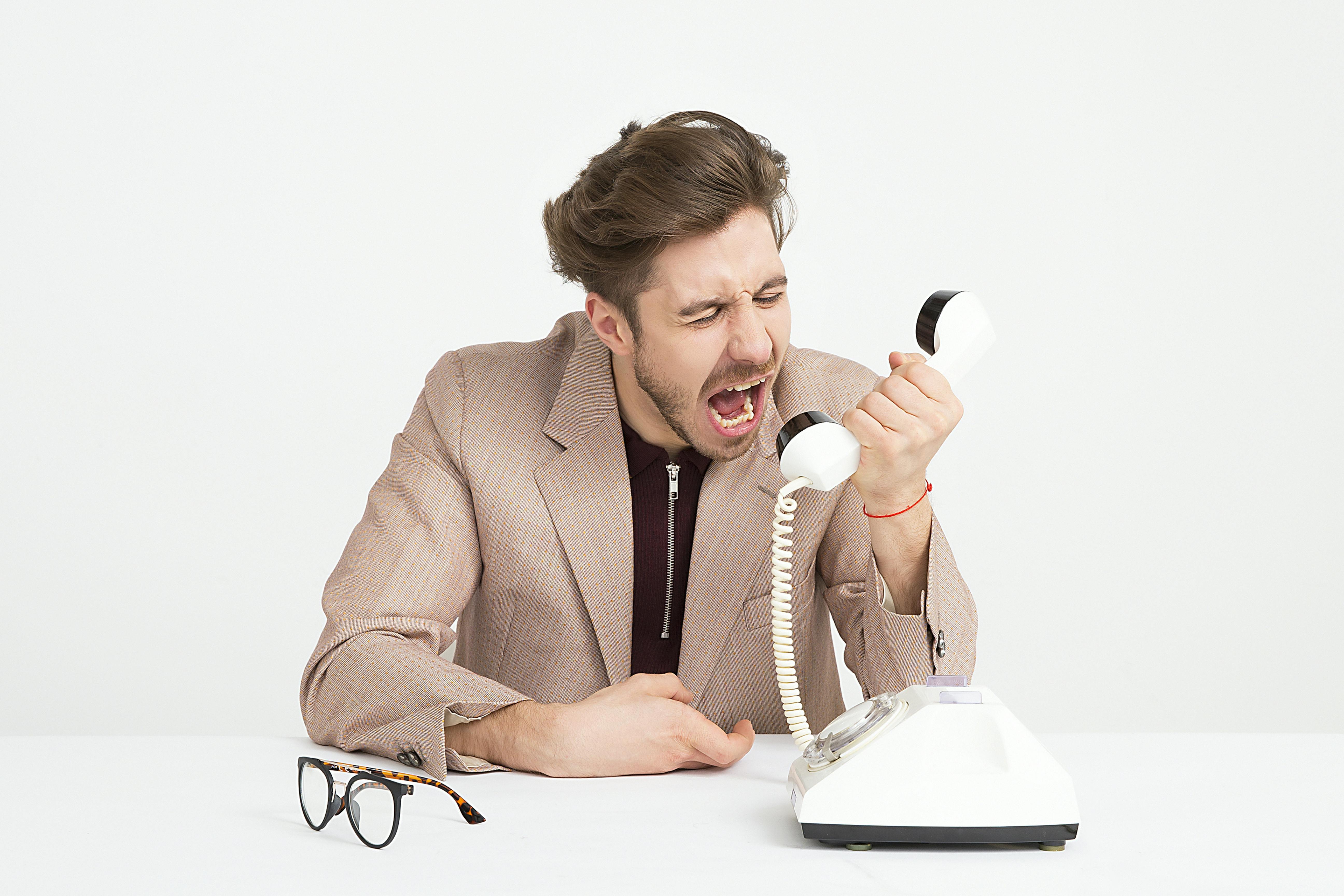
While many assume moodiness always looks like anger or sadness, male emotional shifts often appear in subtle ways.
Behavioural Signs
- Sudden withdrawal from conversations or social events
- Decreased interest in hobbies or work
- Heightened irritation or sarcasm
- Risky or impulsive decisions to “numb” inner distress
Emotional Signs
- Persistent restlessness or boredom
- Difficulty focusing or finding motivation
- Feeling emotionally “flat”
- Guilt or shame for not being able to “stay strong”
These signs can be easy to miss — especially because men often interpret them as personality flaws rather than emotional signals that something deeper needs attention.
Is It Just a Mood Swing or Something More?
Mood swings are normal. Everyone’s emotions fluctuate. But prolonged or intense emotional ups and downs can sometimes indicate underlying conditions.
When It Might Be Depression
Unlike classic sadness, male depression often appears as irritability, anger, or workaholism rather than tears. Men may say things like “I just don’t care anymore” or “Everything’s fine” when they’re actually disconnecting from their emotional experience.
When It Might Be Anxiety
Frequent mood changes, restlessness, and overthinking may point to anxiety-related issues — especially when sleep and concentration start suffering.
When It Might Be a Hormonal Issue
Low testosterone or thyroid dysfunction can mimic mood disorders. Blood tests and hormonal evaluations can help clarify the cause.
The Role of Relationships in Male Emotional Health
Why Emotional Support Matters
Strong emotional relationships are vital for regulating mood. However, many men grow up without models for emotional vulnerability, making it tough to open up even when they want to.
Partners, friends, and families play a key role in helping men feel safe enough to talk. Creating that kind of trust can make the difference between a passing mood swing and a downward spiral.
How Partners Can Help
- Encourage open communication without judgment.
- Validate feelings instead of offering quick fixes.
- Avoid labelling emotions as “weak” or “dramatic.”
- Remind them that asking for help is a strength, not a flaw.
Practical Ways Men Can Navigate Mood Swings
While mood swings can’t be avoided completely, they can be managed effectively through everyday awareness and lifestyle shifts.
1. Regular Exercise
Physical movement releases endorphins, reduces stress hormones, and stabilises mood. Even 30 minutes of brisk walking or strength training can make a noticeable difference.
2. Balanced Diet
Avoiding processed foods, alcohol, and excessive caffeine helps regulate blood sugar and energy stability, directly influencing emotions.
3. Quality Sleep
Prioritise consistent sleeping hours and a tech-free bedtime routine. Good sleep is one of the most underrated mood regulators.
4. Emotional Expression
Writing, talking to friends, journaling, or therapy can be powerful outlets. Emotional expression doesn’t weaken masculinity—it makes it sustainable.
5. Professional Support
Therapists, coaches, and health professionals can help unpack hidden causes behind recurring mood changes. Seeking help early is crucial; it can prevent burnout or depression down the line.
The Cultural Shift Around Male Emotions
A new era of masculinity is emerging, one that celebrates vulnerability as courage. Public figures, athletes, and online communities are helping normalise emotional expression among men.

Modern masculinity is less about toughness and more about balance — being emotionally available while maintaining self-respect. The world is beginning to see that acknowledging mood swings isn’t a weakness; it’s emotional intelligence in action.
When to Seek Help?
If mood swings last more than two weeks and begin to interfere with work, relationships, or sleep, it’s time to talk to a professional. Signs to look out for include:
- Chronic irritability or emotional numbness
- Loss of interest in things that once felt meaningful
- Sudden anger, aggression, or hopelessness
- Physical symptoms like fatigue or sleep troubles
Mental health counsellors or psychiatric professionals can identify whether it’s depression, anxiety, or hormonal imbalance — and guide recovery with empathy and science-backed care.
Final Thoughts: Men Feel, Too
So, do men have mood swings? Absolutely — and acknowledging that truth is part of a quieter revolution toward healthier emotional lives. Men’s moods fluctuate not because they’re weak, but because they’re human.
It’s time to shift from shame to understanding, from suppression to self-awareness.
Because when men begin to honour their emotional rhythms, they’re not just becoming more balanced partners or workers — they’re becoming more whole versions of themselves.

.jpg)
.jpg)
.jpg)