

.png)
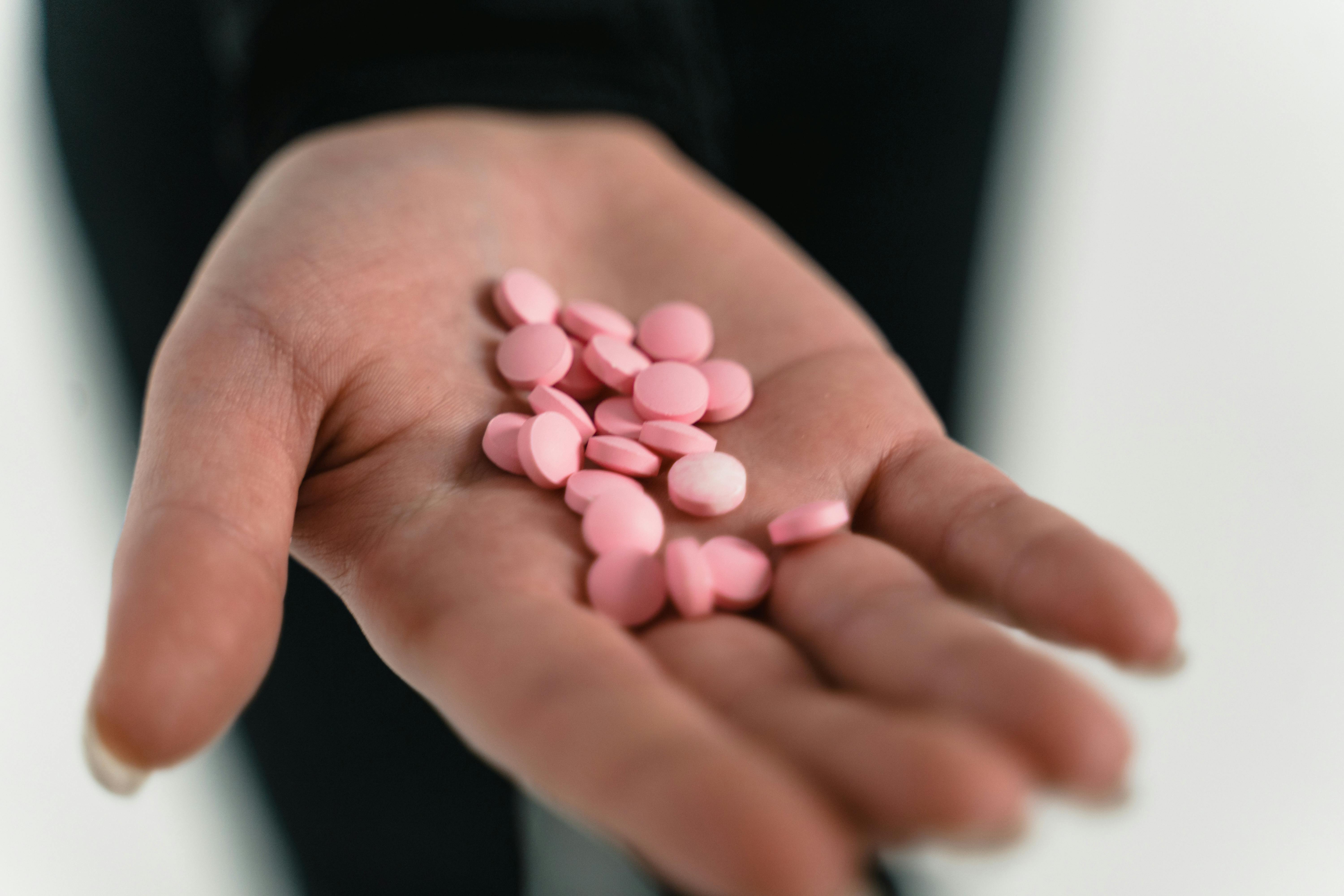
Ever noticed how casually alcohol, cigarettes, or even recreational drugs are offered in social gatherings? “Just try it once, it won’t hurt.” Many people fall into substance use this way—believing they are in control—only to find that it slowly takes over their lives. Substance abuse doesn’t just harm the body; it changes the brain, relationships, and even one’s sense of self.
The good news is: substance abuse can be prevented. With the right awareness, life skills, and support systems, people can build resilience and make healthier choices—even in environments where the pressure to use substances feels overwhelming.
Why Substance Abuse Matters in India
India has a complex relationship with substances. Alcohol is socially accepted in many circles, cannabis has traditional roots, and newer drugs like methamphetamine and prescription medication misuse are on the rise. According to the National Survey on Extent and Pattern of Substance Use in India (2019, by NIMHANS):
- About 16 crore Indians consume alcohol, and nearly 5.7 crore need help for harmful or dependent use.
- Around 3.1 crore use cannabis, and 2.3 crore use opioids.
- Children and adolescents are not untouched—peer pressure and curiosity drive early initiation.
In such a context, understanding how to avoid substance abuse is not just a personal choice but also a public health necessity.
What Happens in the Brain? The Science Behind Addiction
Substance use directly alters the brain’s reward system. When alcohol, nicotine, or drugs are consumed, they flood the brain with dopamine—a chemical responsible for pleasure and motivation.
- Short-term effect: Euphoria, relaxation, or confidence.
- Long-term effect: The brain adapts, reducing natural dopamine production. This means everyday pleasures feel dull, and the person craves the substance just to feel “normal.”
This is why avoiding that first regular use is so critical—it prevents the brain from developing this harmful cycle of dependence.
Risk Factors: Who Is More Vulnerable?
Not everyone who experiments with substances becomes dependent, but certain factors increase vulnerability:
.jpg)
1. Psychological Factors
- Childhood trauma or neglect
- Anxiety, depression, or unresolved grief
- Poor coping skills for stress
2. Biological Factors
- Genetic predisposition (family history of addiction)
- Early exposure to substances during adolescence (when the brain is still developing)
3. Socio-Cultural Factors
- Peer pressure (“everyone in the group does it”)
- Easy availability of substances in local communities
- Media portrayal of drinking/smoking as “cool” or “mature”
- Social stigma around seeking help
Protective Factors: What Shields Against Substance Abuse?
Just as risks exist, protective factors can help people stay resilient:
- Supportive family and friends
- Strong cultural or community values discouraging use
- Good mental health awareness and coping strategies
- Access to education and opportunities for meaningful activities
- Early life skills training (decision-making, refusal skills, emotional regulation)
Practical Strategies to Avoid Substance Abuse
1. Build Awareness and Education
Know the facts about substances. For instance, many believe alcohol improves sleep, but science shows it disrupts sleep cycles and worsens anxiety. Education empowers people to say no with confidence.
2. Strengthen Refusal Skills
Practice assertive ways to refuse:
- “No thanks, I don’t drink.”
- “I’m training early tomorrow, can’t risk it.”
- “I’ve seen what this does to people—I’m not going down that road.”
Role-playing these scenarios helps, especially for teens and young adults.
3. Build Healthy Coping Mechanisms
Stress is a big trigger for substance use. Replace it with:
- Physical activity (running, yoga, dance)
- Journaling or meditation
- Talking to a trusted friend or therapist
4. Create Substance-Free Environments
Choose social settings where alcohol or drugs are not the focus. Surround yourself with people who respect your boundaries.
5. Seek Early Support
If cravings or curiosity feel overwhelming, reaching out to a counselor or mental health professional early can prevent escalation.
Substance Abuse in Indian Settings: Why It’s Unique
In India, prevention strategies need to account for:
- Family Influence: Families can be both protective and risk-inducing. In homes where alcohol is normalized, children are more likely to experiment.
- Rural vs. Urban Divide: In rural areas, cheap alcohol (like country liquor) is widely available; in urban areas, party drugs and prescription misuse are rising.
- Youth Culture: College fests, hostel life, and peer groups often normalize binge drinking.
- Gender: Women face higher stigma if they use substances, which delays seeking help.
These realities mean that India-specific interventions—like school awareness programs, community-level workshops, and online therapy—are essential.
What If You’re Already Struggling?
Prevention is ideal, but if someone has already started misusing substances, treatment works. Options in India include:
- De-addiction centres run by government and NGOs
- Psychological therapies like CBT (Cognitive Behavioural Therapy) to address cravings and triggers
- Support groups (e.g., Alcoholics Anonymous, Narcotics Anonymous)
- Medical management for withdrawal symptoms under professional care
Early intervention can make recovery smoother and reduce long-term damage.
How Online Therapy Can Help
Not everyone feels comfortable walking into a de-addiction centre. That’s where online therapy becomes powerful:
- Confidentiality: No stigma of being “seen” at a clinic.
- Accessibility: Especially useful in small towns where resources are limited.
- Personalised support: Therapists can help with coping strategies, relapse prevention, and addressing underlying trauma.
Platforms like Rocket Health India connect individuals with trained psychologists who understand both the science of addiction and the cultural nuances of Indian society.
Conclusion
Avoiding substance abuse isn’t about saying no once—it’s about building a lifestyle that makes saying no easier every time. By understanding the brain, recognising risk factors, strengthening protective systems, and using professional support when needed, we can create healthier futures for ourselves and our communities.
If you or someone you know is struggling, remember—help is available, and recovery is possible.
Share this article with someone who might need it, or reach out to Rocket Health India today to start building healthier coping strategies and a substance-free life.
References
American Psychiatric Association. (2013). Diagnostic and statistical manual of mental disorders (5th ed.). Arlington, VA: American Psychiatric Publishing.
National Institute of Mental Health and Neurosciences [NIMHANS]. (2019). Magnitude of Substance Use in India. Ministry of Social Justice and Empowerment, Government of India.
Volkow, N. D., Koob, G. F., & McLellan, A. T. (2016). Neurobiologic advances from the brain disease model of addiction. New England Journal of Medicine, 374(4), 363–371. https://doi.org/10.1056/NEJMra1511480
World Health Organization. (2018). Global status report on alcohol and health 2018. World Health Organization.

.jpg)
.jpg)
.jpg)