
.png)
.png)
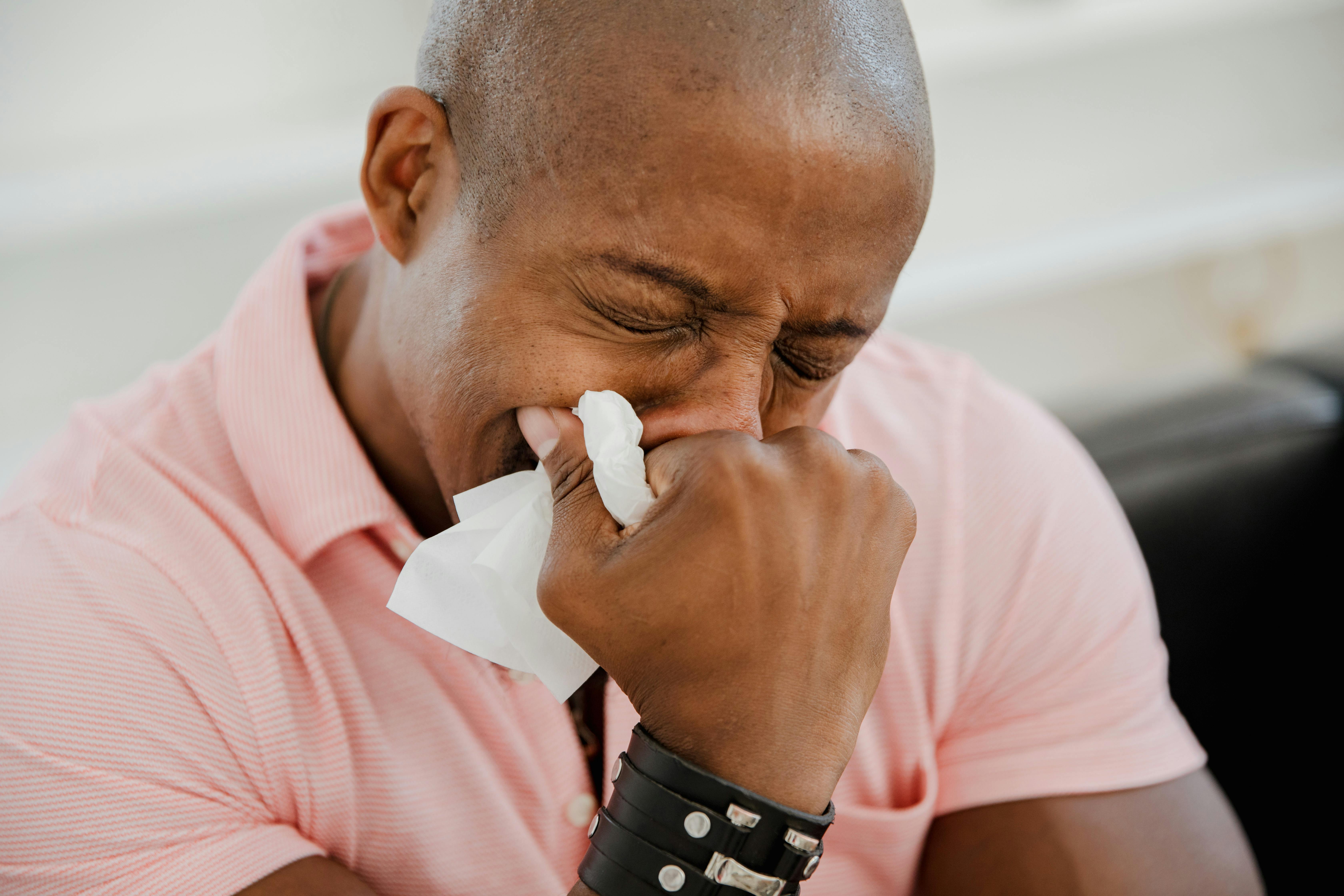
Ever felt like your mind was wading through quicksand—every thought heavy, every task monumental? That’s often what living with depression feels like. In India, where emotional struggles are still whispered about more than spoken, the burden can feel especially isolating.
Nearly 1 in 20 Indians lives with depression at any given time. Yet, few seek treatment—partly due to stigma, and partly because they don’t know where to start.
If you’ve ever wondered how to cope with depression, whether alone, during work, or even through pregnancy, this guide blends empathy with science to help you take your first steps toward healing.
Why Understanding Depression Matters
Depression isn’t just sadness—it’s a system-wide shutdown. Research describes depression as one of India’s leading causes of disability, often coexisting with anxiety and physical illnesses. It affects everything—productivity, relationships, and even our body’s immunity.
But there’s hope. Studies show that early coping mechanisms and lifestyle changes can significantly reduce the severity of depressive symptoms, even without medication in mild cases.
Understanding how to manage it isn’t just an act of survival—it’s an act of self-care and resilience.
Recognizing When It’s More Than Just Sadness
1. The Silent Symptoms
Depression often hides behind “I’m just tired” or “I’ve been busy.” Somatic symptoms—like headaches, fatigue, or digestive issues—are more commonly reported than emotional distress, especially among Indian populations.
2. Cultural Silence
Many Indians downplay emotional pain, mistaking it for weakness. The ICMR’s Mental Health Report found that people are more likely to visit a general physician than a psychologist when struggling. Recognizing depression early, therefore, requires self-awareness and emotional literacy—skills we’re still collectively learning to develop.
How to Cope With Depression Alone
Being alone while battling depression can feel like walking through a storm without an umbrella. Yet, solitude can also become a space for gentle healing.
- Establish micro-routines: Small, structured habits—like a consistent wake-up time or journaling—improve emotional regulation and daily functioning.
- Engage in grounding activities: Simple actions like watering plants, slow breathing, or mindful tea-drinking help the brain anchor itself in the present.
- Reach out virtually: Even short online interactions—say, joining a support group or texting a friend—can counter isolation,
When coping alone, remember that healing doesn’t mean eliminating pain—it means creating space for life alongside it.
How to Cope With Depression Without Medication
While medication can be vital for moderate to severe depression, many Indian studies emphasize non-pharmacological interventions as effective first-line approaches for mild symptoms.
1. Therapy Works
The Cognitive Behavioral Therapy (CBT) and Mindfulness-Based Cognitive Therapy (MBCT) show significant improvement in coping skills and relapse prevention.
2. Yoga and Meditation
A review reported that yoga interventions reduced depressive symptoms through breath regulation and parasympathetic activation. Integrating short morning sessions of pranayama or asanas can be a powerful adjunct to therapy.

3. Nutrition and Lifestyle
The diets rich in omega-3 fatty acids, folate, and B vitamins correlate with reduced depressive symptoms among Indian adults.
These findings highlight a key truth: sometimes healing begins not in the pharmacy, but in the small choices we make each day.
How to Cope With Depression at Work
Workplaces can both trigger and buffer depression. Job strain, toxic supervision, and poor work-life balance significantly increased depressive symptoms in employees.
Here’s how to cope:
- Redefine productivity: Give yourself permission to work at a humane pace. Depression slows cognition—forcing performance worsens guilt cycles.
- Communicate boundaries: Whether it’s flexible hours or quiet time, assertive communication can prevent burnout.
- Find meaning in micro-wins: Indian psychologists emphasize focusing on “daily accomplishments,” however small—finishing a report, responding to one email, or taking a short walk post-lunch.

If depression interferes with your functioning, requesting Employee Assistance Program (EAP) support can make a tangible difference.
How to Cope With Depression During Pregnancy
Depression during pregnancy (antenatal depression) is one of the most under-discussed mental health concerns in India. According to a 2020 study in the Indian Journal of Psychological Medicine, up to 22% of pregnant women in India experience depressive symptoms, yet fewer than half receive support.
- Mindful prenatal care: Practices like prenatal yoga and guided meditation have been found to reduce anxiety and improve mood regulation.
- Partner involvement: Spousal support significantly buffers depressive symptoms.
- Seek professional help early: Untreated antenatal depression increases risks of postpartum depression—making early intervention vital for both mother and baby.
Pregnancy is not just physical transformation; it’s emotional rebirth. Seeking help isn’t selfish—it’s strength in action.
Expert Insight: The Indian Perspective on Healing
Experts at NIMHANS Bengaluru emphasize a biopsychosocial model—recognizing that biological, psychological, and social factors all interact in depression.
Dr. Prabha Chandra, a leading psychiatrist, notes that community-based interventions and culturally sensitive therapy are crucial. She highlights that healing in India must also involve family education and social destigmatization, not just individual coping.
Similarly, the ICMR’s National Mental Health Programme advocates integrating mental health awareness into primary healthcare—bridging accessibility gaps for rural and urban populations alike.
Conclusion
Coping with depression is not about “snapping out of it.” It’s about showing up for yourself, one breath, one choice, one morning at a time.
You might start small—taking a walk, journaling, reaching out to a friend, or seeing a therapist. Each act of care, however tiny, sends a powerful message to your mind: “I am worth healing.”
Remember, depression thrives in silence—but recovery begins in dialogue.
Ready to Begin Your Healing Journey?
Depression doesn’t define you—and you don’t have to face it alone. Professional help can make a world of difference.
At Rocket Health, you can connect with qualified psychologists and psychiatrists online, in a safe, confidential, and stigma-free space. Whether you’re coping alone, struggling at work, or navigating depression during pregnancy, support is just a message away.
Book your first therapy session today — take that first, courageous step toward feeling like yourself again.
References
National Institute of Mental Health and Neurosciences. (2016). National Mental Health Survey of India, 2015–16.NIMHANS. https://www.nimhans.ac.in/sites/default/files/u197/NMHS%20Report%202016.pdf
Indian Council of Medical Research. (n.d.). National Mental Health Programme.https://main.icmr.nic.in/content/national-mental-health-programme
Indian Journal of Psychiatry. (2019). Depression in India: Let’s talk. 61(1), 5–8. https://journals.lww.com/indianjpsychiatry/Fulltext/2019/61010/Depression_in_India__Lets_talk.5.aspx
Indian Journal of Psychological Medicine. (2022). Depression and coping mechanisms among Indian adults. 44(3), 270–279. https://journals.sagepub.com/doi/full/10.1177/02537176221137076
Indian Journal of Psychiatry. (2013). Yoga and mental health: A review. 55(4), 340–348. https://journals.lww.com/indianjpsychiatry/fulltext/2013/55040/Yoga_and_mental_health__A_review.4.aspx
Journal of Clinical and Diagnostic Research. (2018). Nutritional correlates of depression among Indian adults.12(5), VC01–VC03. https://www.jcdr.net/article_fulltext.asp?issn=0973-709x&year=2018&volume=12&issue=5&spage=VC01&epage=VC03
Indian Journal of Occupational and Environmental Medicine. (2021). Occupational stress and mental health in India. 25(2), 4–10. https://journals.lww.com/ijoe/fulltext/2021/25020/Occupational_stress_and_mental_health_in_India.4.aspx
Indian Journal of Psychological Medicine. (2020). Antenatal depression and coping among Indian women. 42(1), 65–72. https://journals.sagepub.com/doi/full/10.1177/0253717620902360

.jpg)
.jpg)
.jpg)