

.png)

Staring at the ceiling. Mind racing. The clock glows 3:17 a.m.—again. Learning how to sleep with anxiety is one of the most important skills for thriving in a busy, modern world, but it often feels out of reach. If this sounds familiar, you are far from alone. The bridge between anxious nights and restorative sleep can be rebuilt—step by step—with understanding, science, and genuine self-compassion.
Why Does Anxiety Disrupt Sleep?
The link between anxiety and insomnia isn’t just anecdotal. Anxiety works on both body and mind, activating stress responses that can hijack your ability to rest. Elevated cortisol, an overactive amygdala, and “what if?” thoughts are just some of the players in this nightly drama.
The Brain and Stress Response
When anxiety strikes, it activates the hypothalamic-pituitary-adrenal (HPA) axis, a cascade responsible for releasing stress hormones like cortisol and corticotropin-releasing hormone (CRH). These chemicals act on the limbic system, particularly the amygdala and locus coeruleus, heightening vigilance and emotional arousal.
Neurotransmitter disruptions—such as reduced GABA (the major calming chemical) and heightened glutamate—make it nearly impossible for the brain to “switch off” and allow sleep to begin, resulting in racing thoughts and hyperarousal. Studies also show CRH directly increases both REM sleep and sleep fragmentation, meaning frequent awakenings and emotionally charged dreams are common.
Hormones and Sleep Architecture
Cortisol and CRH not only trigger alertness but also disrupt sleep architecture. Normally, cortisol decreases during the night's first half, supporting deep, restorative slow-wave sleep (SWS). Anxiety reverses this pattern, keeping HPA activity elevated and intruding on SWS, which is essential for brain and body repair.
Increased REM sleep and reduced SWS lead to more vivid dreams and less overall refreshment. Over time, chronically elevated stress hormones worsen both insomnia and mood, further decreasing resilience to anxiety.
Neurotransmitter Imbalances and Rumination
People with anxiety often experience imbalances in serotonin, dopamine, and norepinephrine, which govern mood, motivation, and circadian rhythm stability. Anxiety-prone brains show decreased “flourishing”—a measure of positive psychological energy, self-control, and emotion regulation—especially in those with neurotic personality traits.
This means anxious individuals are more likely to ruminate and procrastinate at bedtime, creating a cycle where delayed sleep fuels next-day stress and self-doubt.
The Vicious Cycle: Insomnia and Escalating Anxiety
Insufficient sleep feeds back into anxiety, amplifying emotional reactivity, irritability, and an inability to regulate stressful thoughts. Research reveals sleep disturbance is a powerful predictor for developing new anxiety symptoms—sometimes even more potent than anxiety’s impact on sleep.

This bidirectional relationship means that nights spent tossing and turning not only emerge from anxiety, but help create a more anxious brain the following day.
Breaking the Cycle
Interventions that target both sleep hygiene and anxiety management have proven the most effective at breaking this loop. Strategies include cognitive-behavioural therapy, stress management, exercise, mindfulness, and cultivating positive psychological resources like flourishing, which buffers against both anxiety and insomnia.
Anyone struggling with anxiety-fueled sleeplessness is experiencing a deeply physical phenomenon. Understanding this science unlocks the door to more targeted, compassionate approaches—and reveals that sleep and calm are not just possible, but biologically achievable with the right support.
How to Sleep With Anxiety
First Steps
Sleeping well with anxiety is possible, even if every night has felt like an uphill battle. Small, consistent changes in habits, mindset, and lifestyle can turn sleep from foe to friend again.
Recognise the Anxiety-Sleep Relationship
Addressing only sleep, or only anxiety, rarely works long-term. Effective solutions target both issues at once. For persistent insomnia or anxiety, evidence-based therapies such as Cognitive Behavioural Therapy (CBT) or consulting a healthcare professional are highly recommended.
Set Realistic, Compassionate Goals
Expecting “perfect sleep” can make anxiety worse. Focus on improvement, not perfection. Remember, some people can function well with slightly less sleep than average, and one bad night isn’t a catastrophe.
Sleep Hygiene That Works
Sleep hygiene is a set of behaviours and environmental adjustments that make healthy sleep more likely. For people with anxiety, these tips are doubly important.
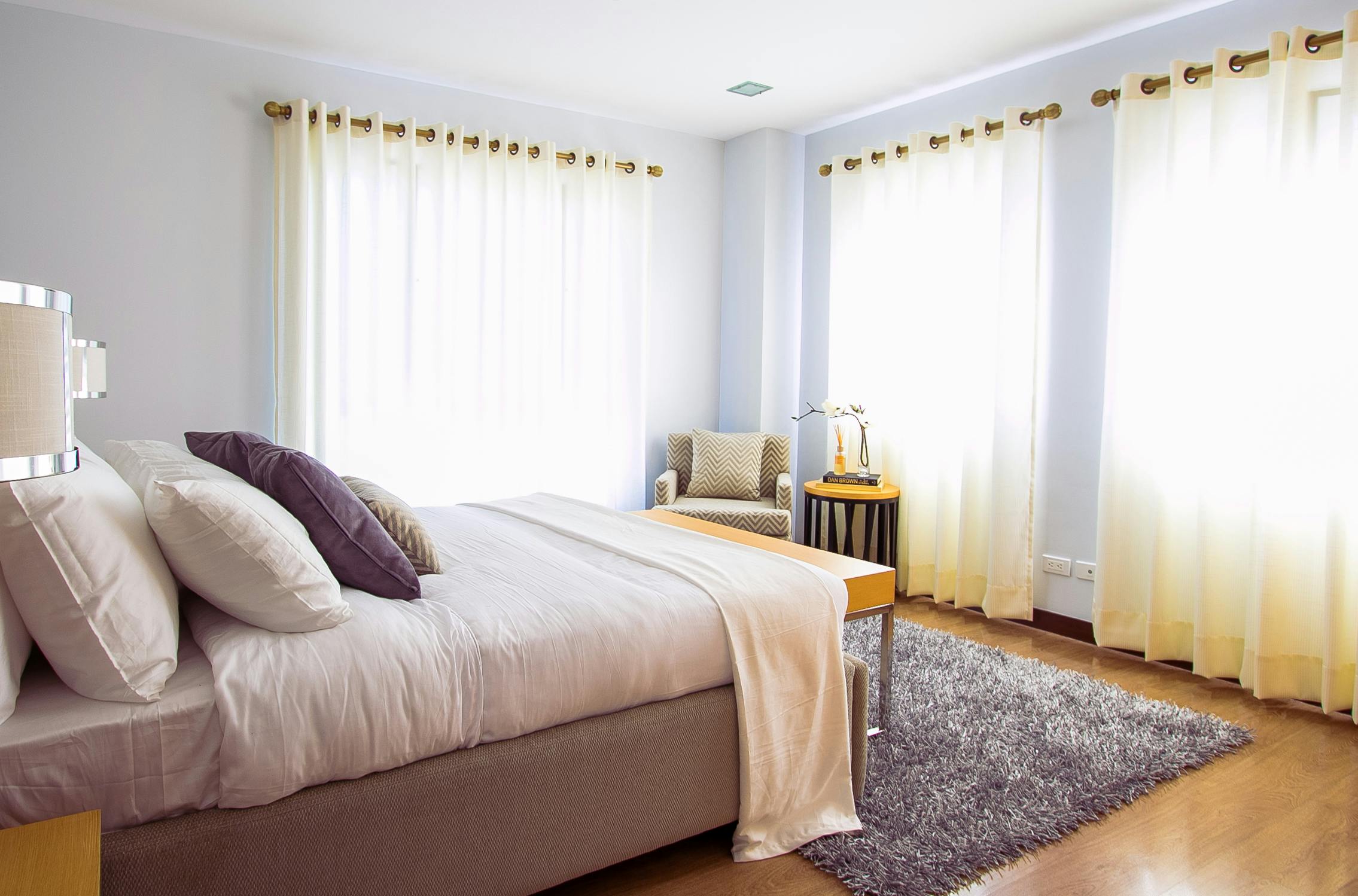
Make Your Bedroom a Sanctuary
- Keep the room dark, cool, and quiet.
- Invest in comfortable bedding and a supportive mattress.
- Remove digital distractions (phones, laptops) or set devices to “Do Not Disturb” an hour before bedtime.
Stick to a Regular Sleep Schedule
- Go to bed and wake up at the same time every day—including weekends.
- Avoid long naps during the day—if you must, limit to 20 minutes.
- Get sunlight in the morning to “reset” your body clock.
Calm Your Mind Before Bed
- Build a pre-sleep routine: gentle yoga, warm bath, reading, meditation, or soft music.
- Avoid stressful conversations or stimulating activities one hour before bed.
- Write down worries or tasks for tomorrow and let them “wait” until morning.
Techniques to Silence Anxiety Before Sleep
Many people with anxiety benefit from specific, hands-on techniques. Use these as part of your nightly wind-down or when anxiety peaks in the dark.
Deep Breathing and Progressive Muscle Relaxation
- Try “4-7-8” breathing: inhale for 4 counts, hold for 7, exhale slowly for 8.
- Progressively tense and relax each muscle group from toes to head; focus on the sensations.
Mindfulness and Meditation
- Sit (or lie down) for 10-15 minutes, breathing naturally and gently returning your focus to the present each time your mind drifts.
- Guided imagery or apps like Calm and Headspace can help quiet intrusive thoughts.
Cognitive Behavioural Techniques for Nighttime
- Notice catastrophic thoughts (e.g., “I’ll never sleep!”) and challenge them with facts: “I’ve survived bad nights before,” or “Some rest is better than none”.
- If racing thoughts persist, write them out and remind yourself they can be revisited tomorrow.

Lifestyle and Long-Term Strategies
Beyond quick tricks, a holistic approach helps “retrain” the mind and body for stronger, calmer sleep.
Move More, Worry Less
- Regular exercise decreases anxiety and promotes deeper sleep. Even walking or stretching each day helps.
- Avoid strenuous workouts too close to bedtime; try gentle yoga or stretching before sleep.
Eat for Sleep
- Avoid caffeine late in the day and limit alcohol (it disrupts sleep stages).
- Eat lighter dinners and skip heavy, rich foods before bed.
- Magnesium-rich foods (nuts, leafy greens, seeds) and adequate hydration support restful sleep.
Seek Sunlight and Fresh Air
- Bright morning light signals your brain to help regulate sleep-wake cycles.
- Time spent outdoors reduces anxiety and helps you fall asleep faster.
Limit Media and Information Overload
- Set boundaries for news, emails, and social media in the evening.
- Choose relaxing activities to wind down instead of scrolling or streaming late at night.
When to Seek Help
Sometimes, self-help isn’t enough. Persistent insomnia, severe anxiety, or daytime difficulties demand timely professional intervention.
Therapy and Professional Care
- Cognitive Behavioural Therapy—especially CBT for insomnia (CBT-I)—is the gold standard for treating combined anxiety and sleep issues.
- Medications such as anti-anxiety drugs, antidepressants, or beta-blockers may be appropriate in certain cases. Always consult a doctor.
- If sleep problems last longer than four weeks or worsen, see a licensed therapist or sleep specialist.
Red Flags Not to Ignore
- Extreme daytime tiredness that impairs functioning
- Panic attacks or suicidal thoughts
- Substance use to “force” sleep or numb anxiety
Don’t wait. Professional help can be life-changing and is never a sign of failure.
The Bottom Line
In conclusion, learning how to sleep with anxiety is a transformative journey that combines understanding, practical strategies, and compassionate support. While adjusting daily habits and using relaxation techniques can significantly ease nighttime restlessness, sometimes professional guidance is essential. That is where Rocket Health steps in—offering confidential, expert mental health care tailored to individual needs. Whether through therapy, psychiatry, or ongoing support, Rocket Health empowers individuals to reclaim restful sleep and manage anxiety effectively.
By integrating evidence-based treatments and personalised care, Rocket Health ensures no one faces anxiety or sleep struggles alone. Taking the first step today with Rocket Health could be the key to calmer nights and brighter days ahead. Remember, better sleep and mental well-being are not just goals—they are achievable realities with the right support and tools.

.jpg)
.jpg)
.jpg)