
.png)
.png)
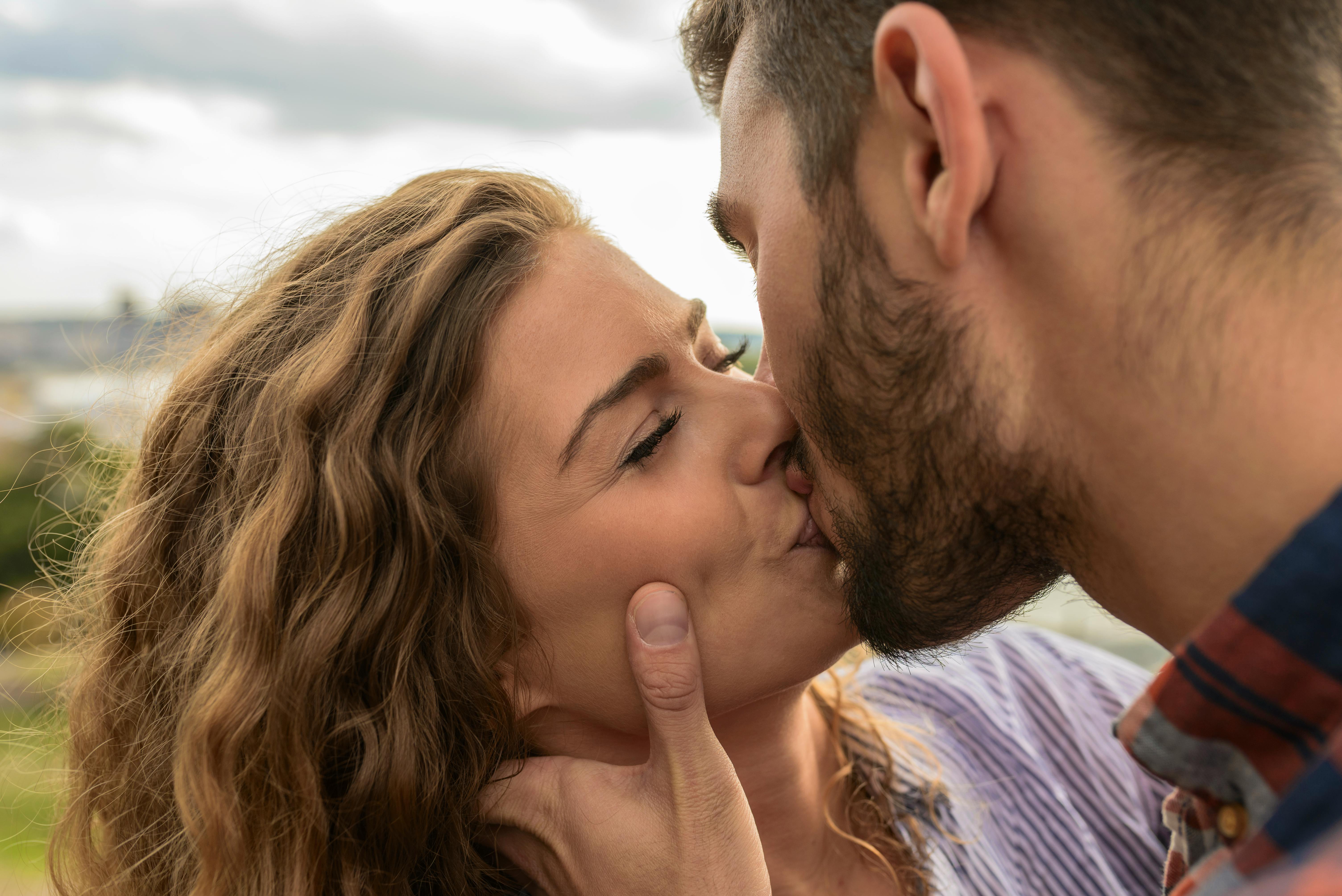
Have you ever felt an overwhelming, almost magnetic pull to kiss someone? That intense desire has a name: basorexia. While it isn’t a medical diagnosis, the phenomenon has sparked curiosity in psychology, biology, and even pop culture. Unlike a casual urge to kiss, basorexia describes a craving so powerful it feels almost irresistible. If you’ve ever experienced this, you’re not alone—and exploring it can tell us a lot about human bonding.
What Is Basorexia?
Basorexia is described as an intense craving or compulsion to kiss someone. The word comes from the Greek 'basium' (kiss) and 'orexis' (appetite), literally meaning a 'hunger for kissing'. It is not a recognized clinical disorder, but rather a descriptive term used to explain this strikingly strong urge. For some, it feels fleeting—a sudden spark of attraction. For others, it can feel consuming, as though resisting the urge is impossible. This intensity is what sets basorexia apart from ordinary romantic desire (see: Psychology Today, Inquire Talk , VOI).
Why Do People Experience Basorexia?
Biological Factors
From a biological perspective, kissing is anything but trivial. When two people kiss, the body releases a cocktail of neurochemicals: dopamine, which creates feelings of pleasure and reward; oxytocin, often called the 'bonding hormone', which promotes attachment and trust; and serotonin, which stabilizes mood. Together, they produce what many describe as a natural 'high'. In evolutionary psychology, kissing may even have developed as a way for humans to evaluate genetic compatibility through subtle cues like taste and smell. Basorexia, then, might be understood as this biological drive taken to its peak (see: Psychology Today, Verywell Mind).
Psychological and Emotional Roots
Psychologically, basorexia is often tied to desire for intimacy and closeness. The act of kissing is not merely physical—it can be deeply symbolic. It represents reassurance, connection, and love. People who feel lonely, emotionally deprived, or stressed may experience heightened urges, as kissing promises comfort and security. For others, the urge might be about excitement, novelty, or affirmation of attraction.
Cultural Influences
Culture also shapes how basorexia is felt and expressed. In some societies, kissing is a common and public gesture, while in others it is more private or even taboo. Media portrayals in films and literature often romanticize the 'uncontrollable kiss', further amplifying how we think about and experience these urges. Cultural norms, therefore, influence not only whether we act on basorexia but also how much guilt or joy we attach to it (see: VOI).
Is Basorexia Harmless?
In most cases, basorexia is harmless. It’s a playful, passionate, and exciting part of human connection. Who hasn’t experienced that irresistible pull in a moment of romance? However, if the urge begins to feel obsessive, distressing, or disruptive to daily life, it might point to deeper issues—such as challenges with impulse control, anxiety, or difficulties regulating desire. While basorexia itself is not an illness, the way it manifests in certain individuals may reflect underlying emotional or psychological struggles.

Basorexia in Pop Culture
Popular culture frequently dramatizes basorexia. Think of the countless rom-coms where the couple, after a long build-up of tension, finally share a kiss that feels inevitable. These moments are not just storytelling devices—they reflect a universal recognition of the power of kissing and the overwhelming urges that sometimes accompany it. Writers and poets often use 'basorexia' as a poetic word to describe passion, highlighting the line between desire and obsession (see: Psychology Today).
Managing Basorexia in Everyday Life
Self-Awareness
Naming the feeling—recognizing it as basorexia—can itself be helpful. Self-awareness creates distance between urge and action, giving individuals the power to choose how to respond. Journaling about when and why the urges occur can reveal patterns.
Healthy Expression
When mutual and consensual, acting on basorexia through kissing can be a beautiful form of intimacy. However, when that isn’t possible or appropriate, redirecting the energy into creative outlets, physical activity, or mindfulness practices can reduce the intensity of the craving.
Therapeutic Support
If urges feel overwhelming, therapy can provide valuable support. Approaches like Cognitive Behavioral Therapy (CBT) or mindfulness-based strategies can help individuals manage impulses, explore underlying needs, and develop healthier coping tools. Therapy is not about eliminating desire but about bringing balance and perspective.
Frequently Asked Questions (FAQs)
Is basorexia a mental disorder?
No. It’s not recognized in manuals like DSM-5. It’s considered a descriptive emotional term.
Can anyone experience it?
Yes. Anyone can feel sudden, intense urges to kiss. Intensity varies.
Is it linked to love?
Not always. Sometimes it’s about chemistry rather than deep romantic feelings.
Is it dangerous?
Only if it feels uncontrollable or distressing. In such cases, therapy may help.
Can therapy help?
Yes. Therapy can help explore emotional roots of urges and provide healthier coping strategies.
Key Takeaway
Basorexia is a vivid reminder of how powerfully human beings long for connection. It’s not a disorder, but an emotional phenomenon. For most, it’s harmless; for some, it can highlight deeper needs. If you ever feel overwhelmed by such urges, support is available. Taking individualized, online, tailored, flexible, private therapy from Rocket Health can help you navigate your feelings with clarity and care.

.jpg)
.jpg)
.jpg)