
.png)
.png)
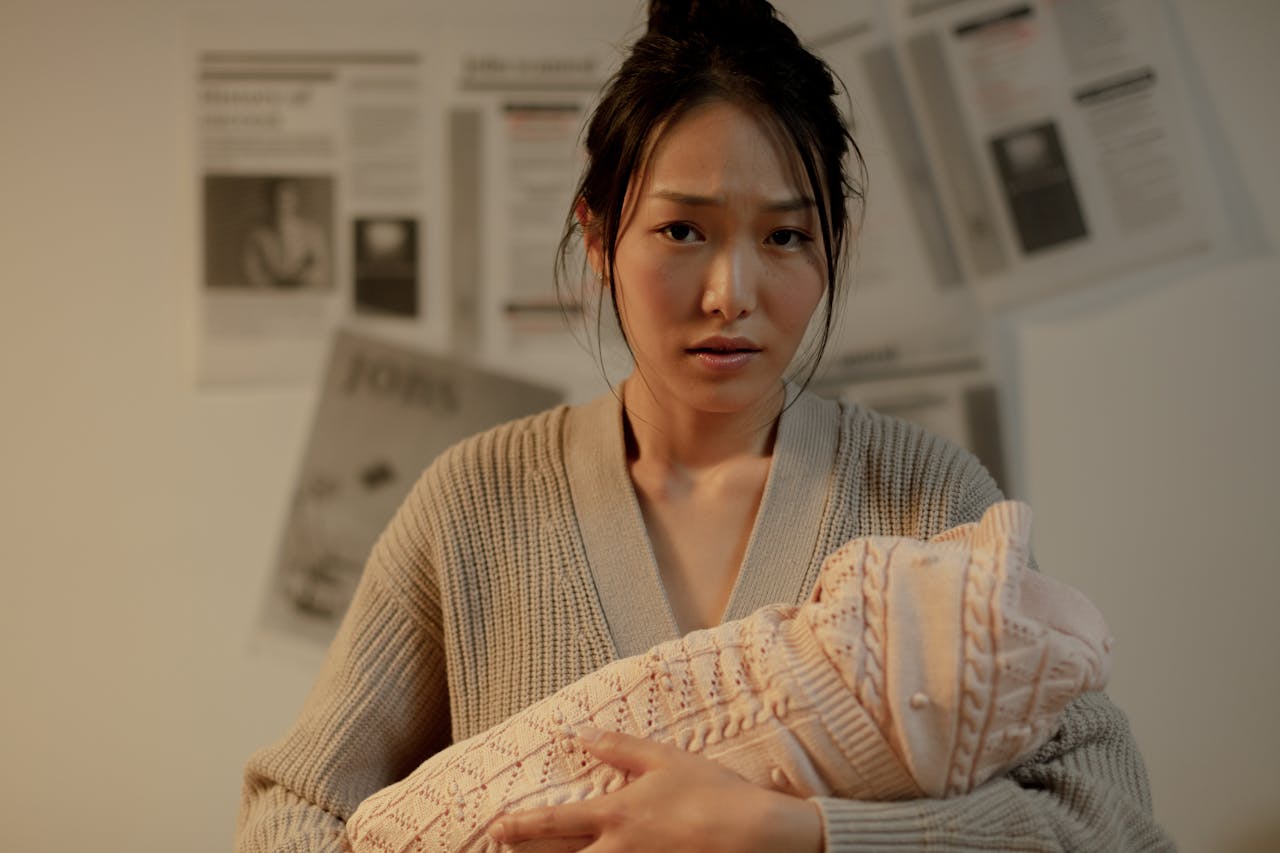
Bringing a new life into the world is often described as the most beautiful experience a person can have. Yet, for some new mothers, the postpartum period brings not only sleepless nights and diaper changes, but also something much more serious—postpartum psychosis.
This rare but severe mental health condition can appear suddenly after childbirth and may dramatically affect a mother’s thoughts, emotions, and behaviour. But with awareness, compassion, and timely care, recovery is entirely possible.
Understanding Postpartum Psychosis
What Exactly Is Postpartum Psychosis?
Postpartum psychosis is a rare psychiatric emergency that occurs after childbirth, affecting approximately 1 to 2 mothers per 1,000 births. Unlike postpartum depression, which is more common, psychosis after birth involves a complete break from reality.
A woman experiencing postpartum psychosis may lose touch with what’s real, experience hallucinations, or believe things that aren’t true. These symptoms don’t mean she is a “bad mother”—they indicate a serious medical condition that requires immediate attention and care.
Family support, medical intervention, and public awareness make a critical difference in helping mothers recover and reconnect with themselves and their babies.
How It Differs from Baby Blues and Postpartum Depression
Many new mothers experience “baby blues”—a period of mood swings, anxiety, or tearfulness that typically resolves within two weeks post-delivery. Postpartum depression is more intense and lasts longer, often marked by persistent sadness, lack of energy, and detachment.
Postpartum psychosis, however, is far more severe, with symptoms like paranoia, delusions, or extreme agitation. Its onset usually occurs within the first two weeks after childbirth and requires immediate medical care.
The Root of the Condition
Common Postpartum Psychosis Causes
While no single factor explains the causes of postpartum psychosis, experts believe it results from a complex mix of biological, psychological, and social influences. Some common contributors include:
- Hormonal fluctuations: Rapid changes in estrogen and progesterone after childbirth can impact brain chemistry.
- Genetic predisposition: A family or personal history of bipolar disorder or previous postpartum psychosis increases susceptibility.
- Sleep deprivation: Lack of sleep in the early postpartum days can trigger or worsen mental instability.
- Stress and trauma: Birth complications, emotional stress, or lack of a support system may heighten risk.
It’s important to note that even mothers with no prior mental health history can develop postpartum psychosis. The onset can be abrupt, catching families and healthcare providers off guard.
Identifying Postpartum Psychosis Symptoms
Recognising early warning signs is crucial for safety and recovery. Postpartum psychosis symptoms often appear suddenly and may escalate rapidly, typically within days of giving birth.
Emotional and Behavioural Symptoms
- Extreme mood swings ranging from euphoria to deep despair
- Irritability, confusion, or racing thoughts
- Inability to sleep or excessive energy despite fatigue
- Withdrawal from family or baby
- Disorganised behaviour or talking incoherently
Perceptual and Cognitive Symptoms
- Hallucinations—seeing or hearing things that aren’t there
- Delusional beliefs, such as thinking the baby is in danger or destined for a special purpose
- Paranoia or irrational fears
- Impaired judgment or decision-making
- Disconnection from reality
How Doctors Diagnose Postpartum Psychosis
The Diagnostic Process
A mental health professional—usually a psychiatrist—will assess symptoms, medical history, and family background to confirm the diagnosis. This may include:
- A psychiatric evaluation to identify mood changes, psychotic symptoms, and emotional stability.
- Blood tests to rule out thyroid imbalances or infections.
- A review of medication history to determine potential triggers or contributing factors.
Prompt diagnosis is essential because misinterpreting postpartum psychosis as depression or anxiety can delay effective treatment.
Postpartum Psychosis Treatment Options
The Role of Medical Care
Because of its serious nature, postpartum psychosis treatment almost always involves hospital care, ensuring both the mother’s and baby’s safety. Professional treatment helps stabilise mood, restore insight, and reduce psychotic symptoms.
Medications Commonly Used
- Antipsychotics – help reduce delusions, hallucinations, and disorganised thinking.
- Mood stabilisers – such as lithium, to balance emotional highs and lows.
- Antidepressants – prescribed if depressive symptoms persist after stabilisation.
Medication plans are carefully customised, particularly if the mother is breastfeeding. Medical teams balance effective treatment with the safety of the infant.
Psychological Therapies
Once the mother is medically stable, therapy becomes an essential part of recovery. Cognitive Behavioural Therapy (CBT), supportive counselling, and group therapy help her process experiences and reduce feelings of guilt or confusion.
Partners and family members are often included to rebuild trust and strengthen emotional support systems.
Role of Family and Community Support
Isolation can exacerbate hopelessness. In recovery, feeling understood and supported makes a huge difference. Loved ones can offer help by:
- Ensuring consistent rest and medication schedules
- Offering emotional reassurance without judgment
- Helping with baby care duties
- Joining family therapy sessions to foster communication
Strong emotional support combined with clinical care forms the backbone of a mother’s healing journey.
Long-Term Recovery and Outlook
Can Mothers Recover Fully?
Yes—most women who receive timely treatment for postpartum psychosis recover entirely and go on to live fulfilling lives. With proper care, they can rebuild healthy routines and bond deeply with their children again.
Recovery typically occurs over several months, but some women may need ongoing follow-ups for mood management or relapse prevention.
Managing Future Pregnancies
Mothers who have experienced postpartum psychosis before face an increased risk of recurrence in future pregnancies. However, with preventive treatment plans, routine check-ins, and a proactive mental health strategy, many safely navigate subsequent childbirths.
Before conceiving again, a mother can work with doctors to develop a care plan, adjust medications if necessary, and ensure early postpartum monitoring.
Reducing Stigma Around Postpartum Psychosis
Despite being a medical condition, postpartum psychosis is often shrouded in shame or misunderstanding. Society must recognise that it is not the mother’s fault—nor does it diminish her worth or love for her child.
Educational initiatives, open conversations, and compassion can reduce stigma, making it easier for women to seek timely help. Normalising postpartum mental health discussions empowers mothers to prioritise their well-being without fear or guilt.
When to Seek Urgent Professional Help
While recovering from childbirth is emotionally and physically demanding, it should never feel terrifying or detached from reality. Immediate medical support is essential if a new mother experiences:
- Hallucinations, delusions, or paranoia
- Sudden emotional instability
- Disorientation or memory loss
- Thoughts of self-harm or of harming her child
Health professionals can evaluate the condition swiftly and initiate postpartum psychosis treatment in a safe, supportive environment.
For mothers or families seeking accessible mental health support, Rocket Health’s online psychiatry services offer confidential consultations with qualified psychiatrists from the comfort of home.
This can be especially helpful for new mothers who may find it difficult to travel for in-person appointments but need timely care and expert guidance. Through compassionate, evidence-based care, Rocket Health ensures that no woman faces postpartum psychosis alone.
Conclusion: Hope Beyond the Struggle
Postpartum psychosis can feel like an impossible storm, but it is one that can be weathered with time, treatment, and understanding. Compassion—from healthcare providers, families, and communities—remains the most powerful healing force.
By learning about the postpartum psychosis causes, recognising the postpartum psychosis symptoms, and encouraging early postpartum psychosis treatment, society can help transform this crisis into a story of recovery, strength, and renewed motherhood.

.jpg)
.jpg)
.jpg)