
.png)
.png)
.jpg)
We’ve all been there (or at least most of us have): you catch feelings for someone, your heart races when you see them, you replay every little text or glance in your head… and then reality hits. They don’t feel the same way.
That sting has a name – unrequited love, or one-sided love. Basically, it’s when you care deeply for someone who doesn’t return your feelings. And if you’re going through it, you should know this: it’s not weird, it’s not pathetic, and you’re far from alone.
What is Unrequited Love?
Unrequited love means one-sided affection—when your feelings for someone aren’t returned. It’s the crush who doesn’t notice you, the best friend you wish was more, or the partner who doesn’t feel the same intensity.
It’s not just about romantic longing. Sometimes, it’s about wanting closeness, validation, or connection from someone who cannot—or will not—meet you there.
On the outside, it may look like daydreaming, pining, or “being dramatic.” On the inside, it feels like a quiet grief.
Why We Fall Into One-Sided Love
Unrequited love doesn’t always happen by chance. Certain situations, personalities and social influences make it more likely:
- Attachment style and personality. People with insecure attachment patterns (like anxious or avoidant styles) may find unrequited love more comfortable than a full relationship. For instance, someone who fears intimacy might fall for a person they know can never truly love them back – this way they stay in a “safe” distance, avoiding vulnerability. Psychologists note that attachment patterns learned in childhood heavily shape adult romance. An anxious person may cling to an unavailable partner believing persistence will pay off, while an avoidant person might prefer longing over real commitment. Other traits, like a strong tendency to idealize others, low assertiveness, or a history of rejection, also raise the risk of one-sided love.
- Scarcity and the “prize” effect. We often want what we can’t have. Ironically, the fact that someone is unavailable can make them seem more desirable. Psychologists call this the scarcity effect: we tend to value things that are hard to obtain. If a person pulls away or gives only mixed signals, your brain may start to think “they must be special if I can’t have them,” and the chase can intensify. Likewise, early evolutionary drives for social belonging create a strong aversion to rejection. So biologically and psychologically, the very fact of rejection or unavailability can paradoxically fuel obsession.
- Cultural narratives and media. Our society’s love stories give us mixed messages. From childhood on, books, movies and songs often glorify pursuing “the one that got away” or winning a reluctant lover, portraying it as noble and romantic. Think of classic tragedies and modern rom coms alike: persistent, self-sacrificing pursuit is sometimes rewarded on-screen. These narratives can mislead us into believing that persistence will change a person’s feelings. In reality, it can keep us trapped in an endless loop of hope and rejection.
- Idealization and “limerence.” Unrequited love often involves idealizing the other person. You might focus only on their good qualities and build them up in your mind, a cognitive bias common in intense attraction. In psychology this near-obsessive state of longing is called limerence. It involves compulsive thinking about someone, longing for emotional reciprocation, and interpreting even small interactions as “signs.” People in limerence can feel euphoric when they see the other person (even as a friend) and devastated by slightest rejections. Understanding that this idealized “crush” is partly your mind’s creation can sometimes ease the pain.
It’s important to note that unrequited love is not your fault, but it can take a toll on how you see yourself. Continually loving someone who doesn’t love you back can erode your self-esteem.
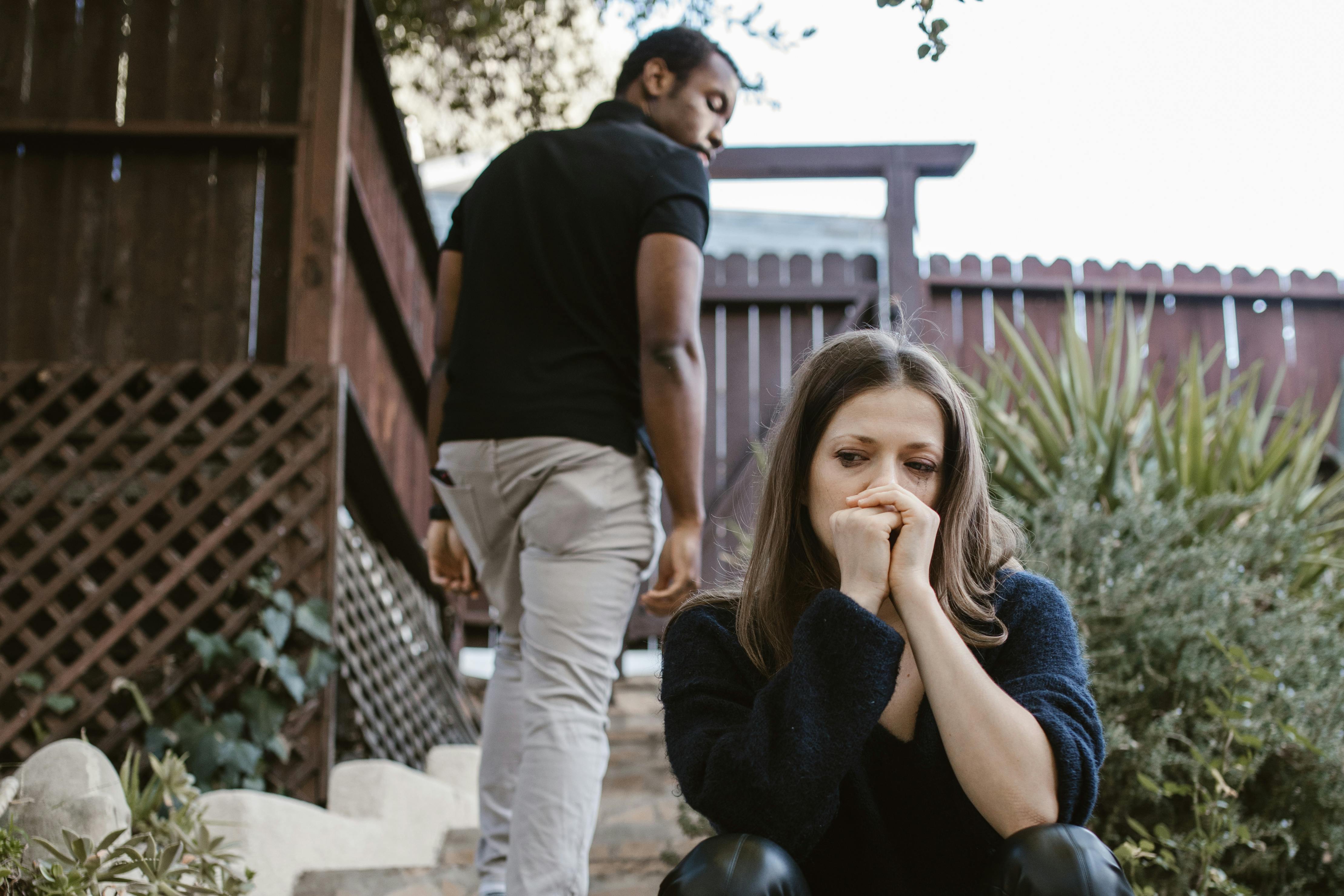
You may start to wonder:
- “What’s wrong with me?”
- “Am I not attractive enough? Not funny enough? Not enough, period?”
These thoughts are painfully common. Research and therapists emphasize that unrequited love can make even confident people question their worth. At the extreme, the emotional stress of one-sided love can lead to anxiety, depression, or feelings of isolation. In severe cases, some people report feeling as hurt as if they’d truly “lost” someone, because in their mind there was a potential relationship that never began.
It helps to remember that the other person’s lack of feelings usually isn’t about you. There are countless reasons for not reciprocating romantic interest – perhaps a matter of compatibility, timing, or readiness – that have nothing to do with your value.
Anxiety, Depression, and The Heartache Loop
Unrequited love doesn’t cause mental illness on its own, but it can trigger or worsen symptoms. The constant worrying, “what if” thoughts, and self-blame are very similar to patterns in anxiety. On the flip side, the hopelessness and loss of motivation mirror aspects of depression. Over time, harbouring ongoing unreturned feelings has been linked to symptoms of breakup depression – prolonged grief, insomnia, poor concentration – even though no formal breakup happened.
Healthy ways to cope
- Allow yourself to grieve. It’s okay to cry, rant, or journal. You’re letting go of a dream, and that deserves time. Trying to suppress or deny the pain only prolongs it.
- Create some distance. If possible, create some emotional distance. Muting them on social media, seeing them less, or setting clear boundaries helps stop the cycle of hope-disappointment. It’s okay to tell them (briefly, without blame) that you need space to heal.
- Stay busy and reconnect with life. Spend time with friends who lift you up. Engage in enjoyable activities such as hobbies, exercise, creativity—anything that reminds you you’re more than this heartbreak.
- Be kind to yourself. Self-compassion isn’t fluffy—it’s powerful. Treat yourself the way you’d treat a friend in your shoes. Be kind to yourself. This could mean taking an everything shower, getting your nails done, getting good food or positive self-talk
- Reach out for support. Whether it’s talking to friends or a therapist, sharing the load makes it lighter.
Conclusion
However, it’s equally important to know that these responses are natural and healable. Mental health professionals often compare the pain of romantic rejection to a grief process. Many people find their emotional health improves as they work through the loss (even a “non-relationship” loss) by gradually accepting reality, seeking support, and shifting their focus back to themselves. Therapy, counselling or support groups can be very effective in these situations. If feelings become overwhelming or lead to thoughts of harming yourself, it’s crucial to seek professional help immediately (hotlines, therapists, etc.).
Many experts advise challenging negative self-beliefs (“I must be unlovable”) and recognizing them as distortions. Self-esteem can rebound over time, especially by refocusing on the fact that not every mutual attraction works out and that you deserve someone who values you as much as you value them.
Remind yourself this too shall pass. Unrequited love is a universal experience – painful but also human. Time naturally heals, and as days go by the intensity usually fades. Eventually, you can view this chapter with some distance. In the process you may discover your own resilience and come out knowing your own worth better than before. Armed with this self-understanding, you’ll be ready to meet someone new in a healthier place.
References
BetterHelp. (n.d.). Why do we love people who don’t love us back? BetterHelp. https://www.betterhelp.com/advice/love/why-do-we-love-people-who-dont-love-us-back/
Britannica. (n.d.). Love in literature. In Encyclopedia Britannica. https://www.britannica.com/art/love-literature
Marriage.com. (2023, September 18). Unrequited love: Meaning, signs, causes & how to overcome it. Marriage.com. https://www.marriage.com/advice/relationship/unrequited-love/
MindBodyGreen. (2022, July 20). Unrequited love: Why it happens & 9 tips to move forward. MindBodyGreen. https://www.mindbodygreen.com/articles/what-to-do-about-unrequited-love
PsychCentral. (2023, February 10). Unrequited love: Signs, causes, and how to heal. PsychCentral. https://psychcentral.com/health/unrequited-love
PsychCentral. (2023, February 10). 11 subtle signs of unrequited love. PsychCentral. https://psychcentral.com/health/unrequited-love-signs

.jpg)
.jpg)
.jpg)